
IT Asset Disposition for Growing Businesses: What You Need to Know
Growth means more equipment, more turnover, and more retired devices to manage. Here's how a proper IT asset disposition strategy helps scaling businesses stay secure, compliant, and organized along the way.
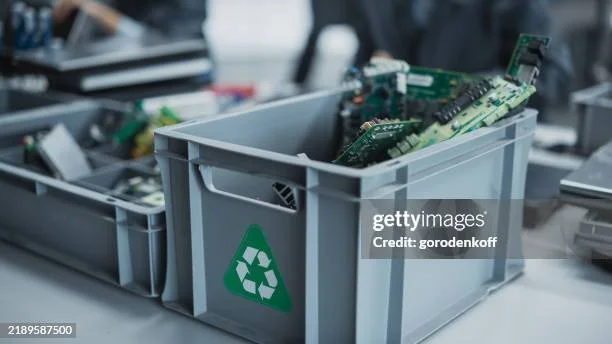
What Electronics Can and Can't Be Recycled? A Business Owner's Guide
From old laptops to fluorescent bulbs, not every item ends up in the same recycling stream. Here's a clear breakdown of what can, can't, and sometimes can be recycled, and why it matters for your business.

Data Security and Compliance in E-Waste Recycling: Your Top Questions Answered
Retired computers and servers can still hold sensitive company data long after they've been unplugged. Here are answers to the questions businesses ask most often about data security and compliance during electronics recycling.
What Should Your Business Do With Old Computers Before a Technology Upgrade?
A technology upgrade creates more than a need for new equipment. Learn how businesses can securely handle old computers, protect sensitive data and responsibly recycle retired electronics.

What Should Your Business Do With Old Computers and Electronics After an IT Upgrade?
An IT upgrade can leave businesses with computers, monitors, servers, networking equipment, and other electronics that need responsible disposal. Learn how electronics recycling, secure destruction, and asset recovery can simplify your next technology refresh.
Asset Recovery 101: Why Retired IT Equipment Is Worth More Than a Trip to the Recycler
Not every piece of retired IT equipment belongs in the recycling stream. Learn how asset recovery can turn usable servers, laptops, and networking gear back into value for your business, before recycling even enters the picture.
Washington's New Battery Stewardship Program: What Businesses Need to Know Before It Takes Effect
Washington's new Battery Stewardship Program is changing how businesses must handle used batteries. Here's what's shifting, when it takes effect, and how to make sure your business stays compliant.
Why Critical Minerals Are Making Electronics Recycling More Important Than Ever
As demand for critical minerals continues to rise, every retired laptop, server, and networking device represents an opportunity to recover valuable materials while protecting sensitive data.
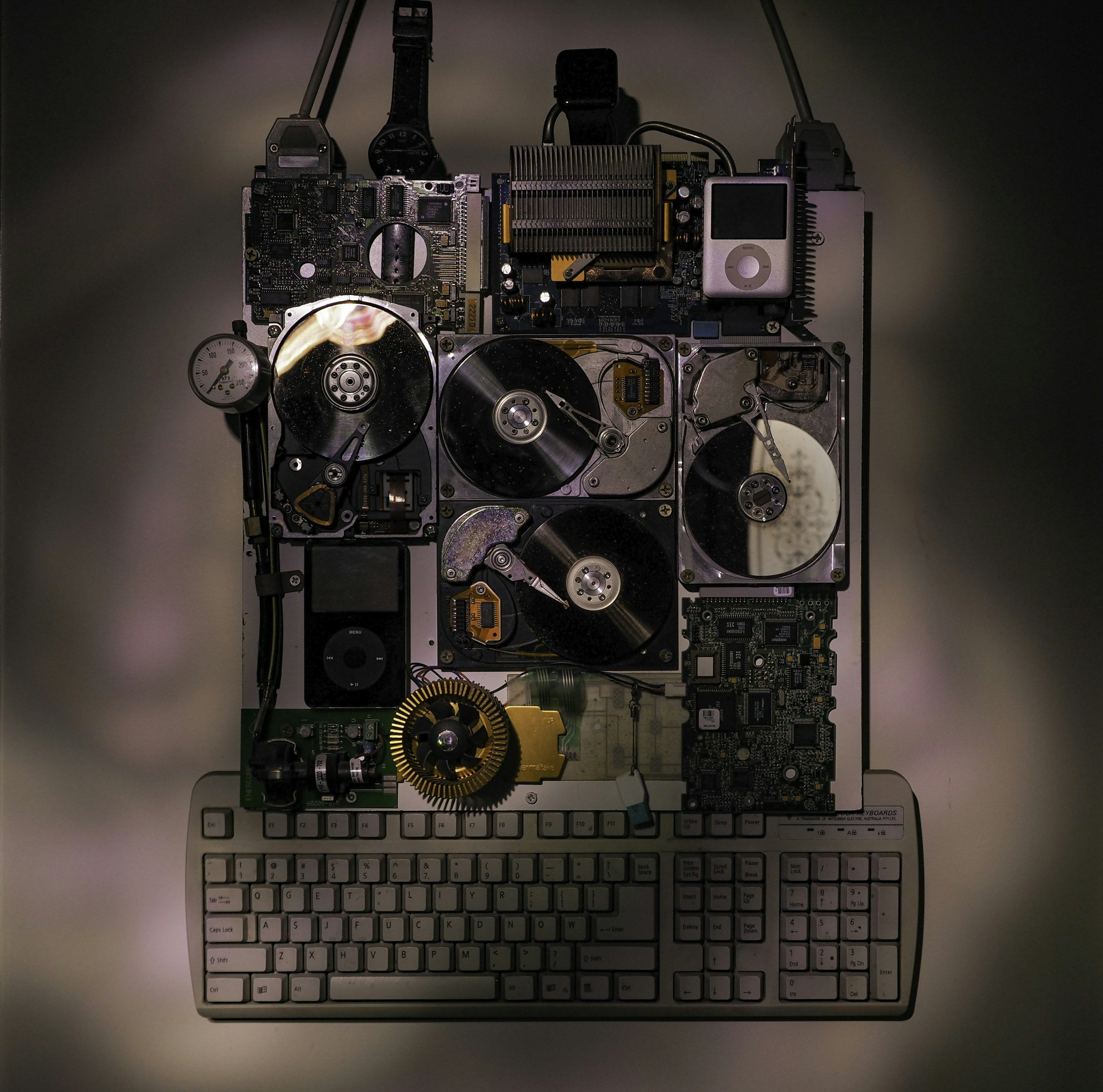
What Happens After You Recycle Electronics? Inside the E-Waste Recycling Process
From hard drives to smartphones, discover exactly how electronics are securely collected, processed, and responsibly recycled after they leave your office, and why choosing a certified recycler matters more than ever.
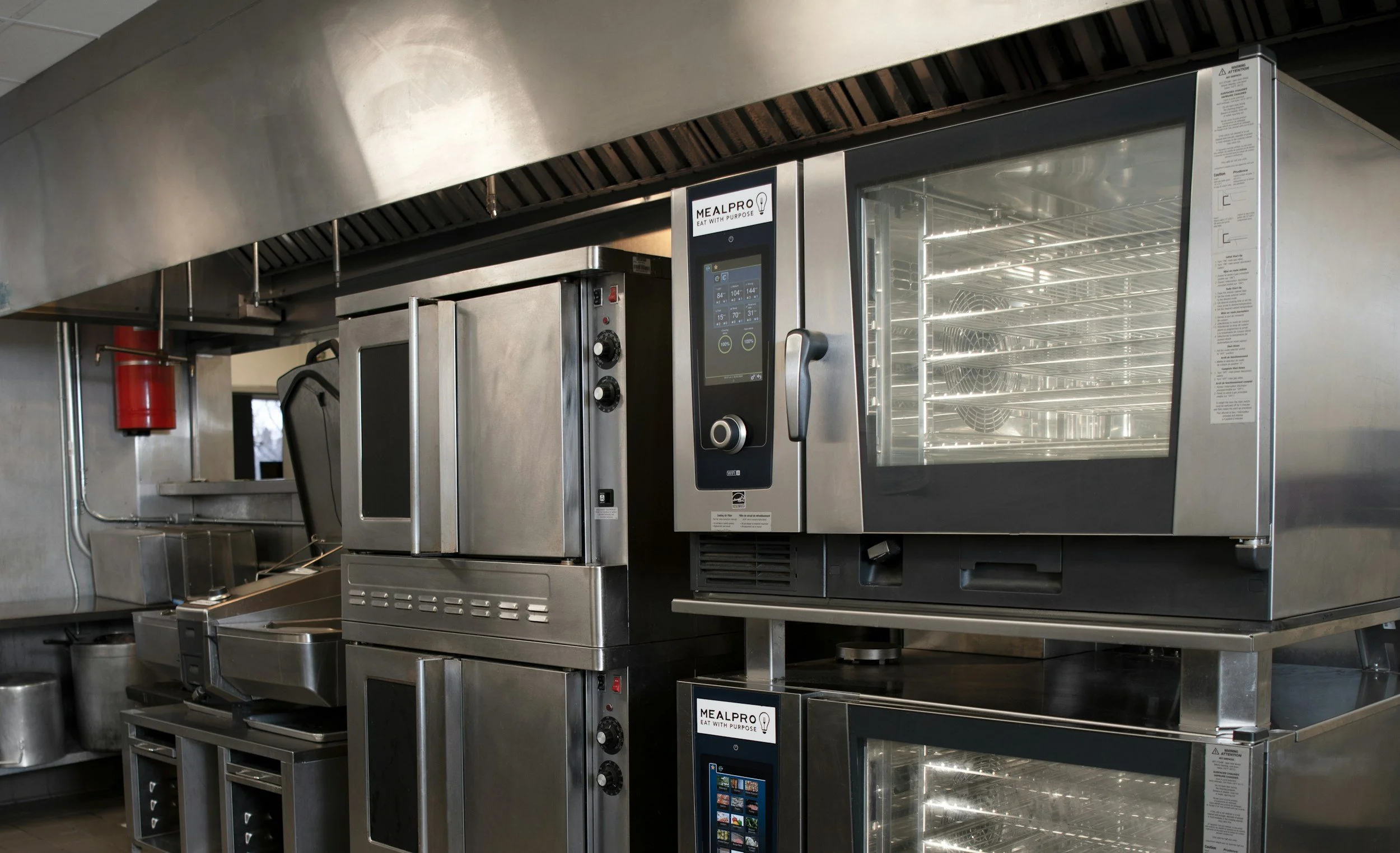
How to Get Rid of Old Commercial Appliances in Washington and Oregon (Without Using the Transfer Station)
When a commercial refrigerator, freezer, or HVAC unit needs to go, most businesses default to the transfer station, but there's a faster, more responsible option. Total Reclaim accepts commercial appliances and e-waste at our Pacific Northwest drop-off location, keeping refrigerants, metals, and hazardous materials out of the landfill and your disposal documented for compliance.

Summer Office Cleanouts: Why Now Is the Best Time to Recycle Electronics Responsibly
Summer is the ideal time for office renovations, technology upgrades, and business cleanouts. Discover how professional electronics recycling protects sensitive data, reduces environmental impact, and helps businesses responsibly dispose of outdated computers, servers, monitors, and other IT equipment.
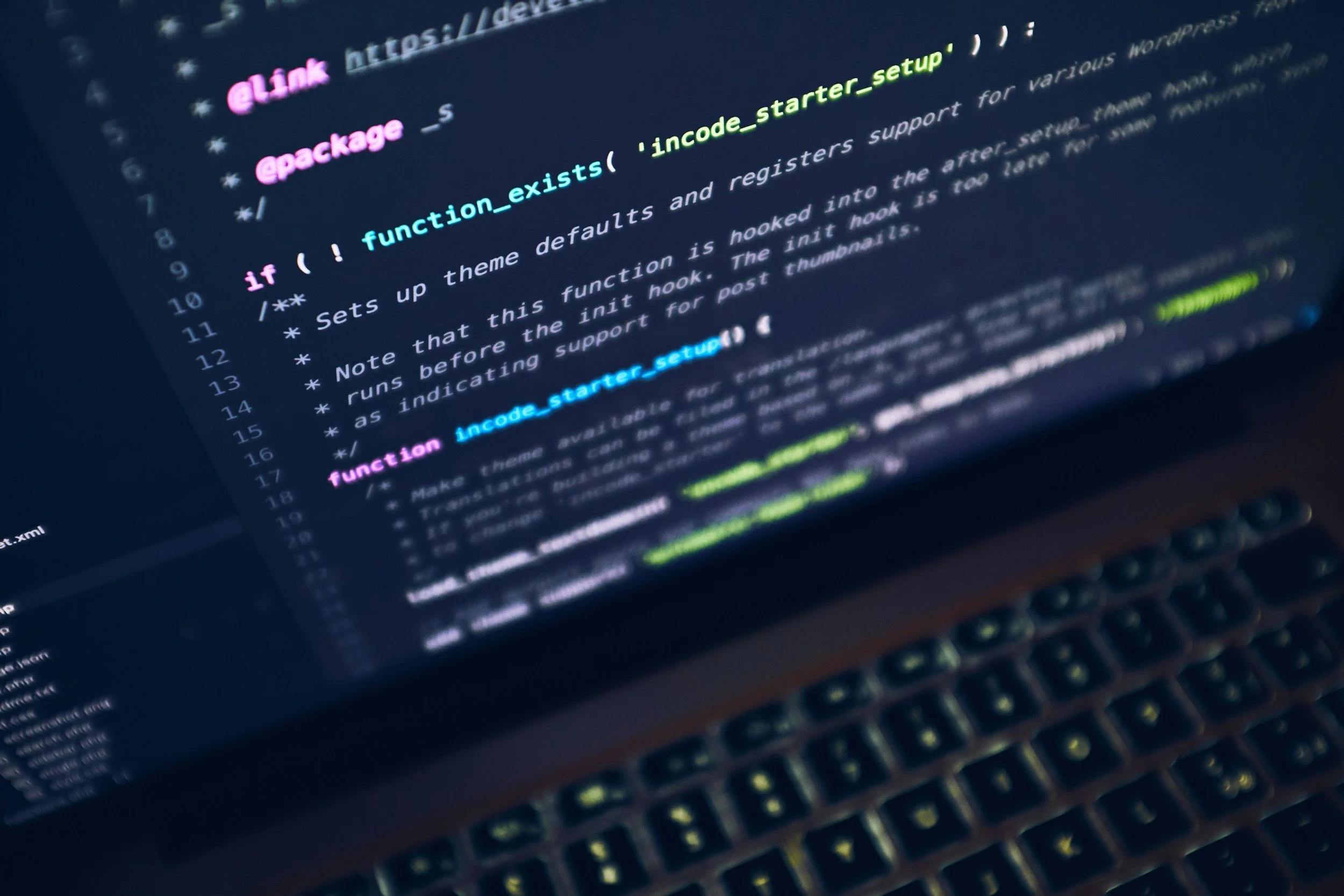
Why Bellevue Businesses Are Taking a New Approach to Retired Technology
Technology upgrades happen every day in Bellevue. Learn why businesses are creating structured electronics recycling and data destruction programs to reduce risk, improve efficiency, and support sustainability goals.

Why IT Asset Lifecycle Management Matters More Than Ever
Technology management does not end when equipment is retired. Learn why businesses are making electronics recycling and data destruction part of their IT asset lifecycle strategy.
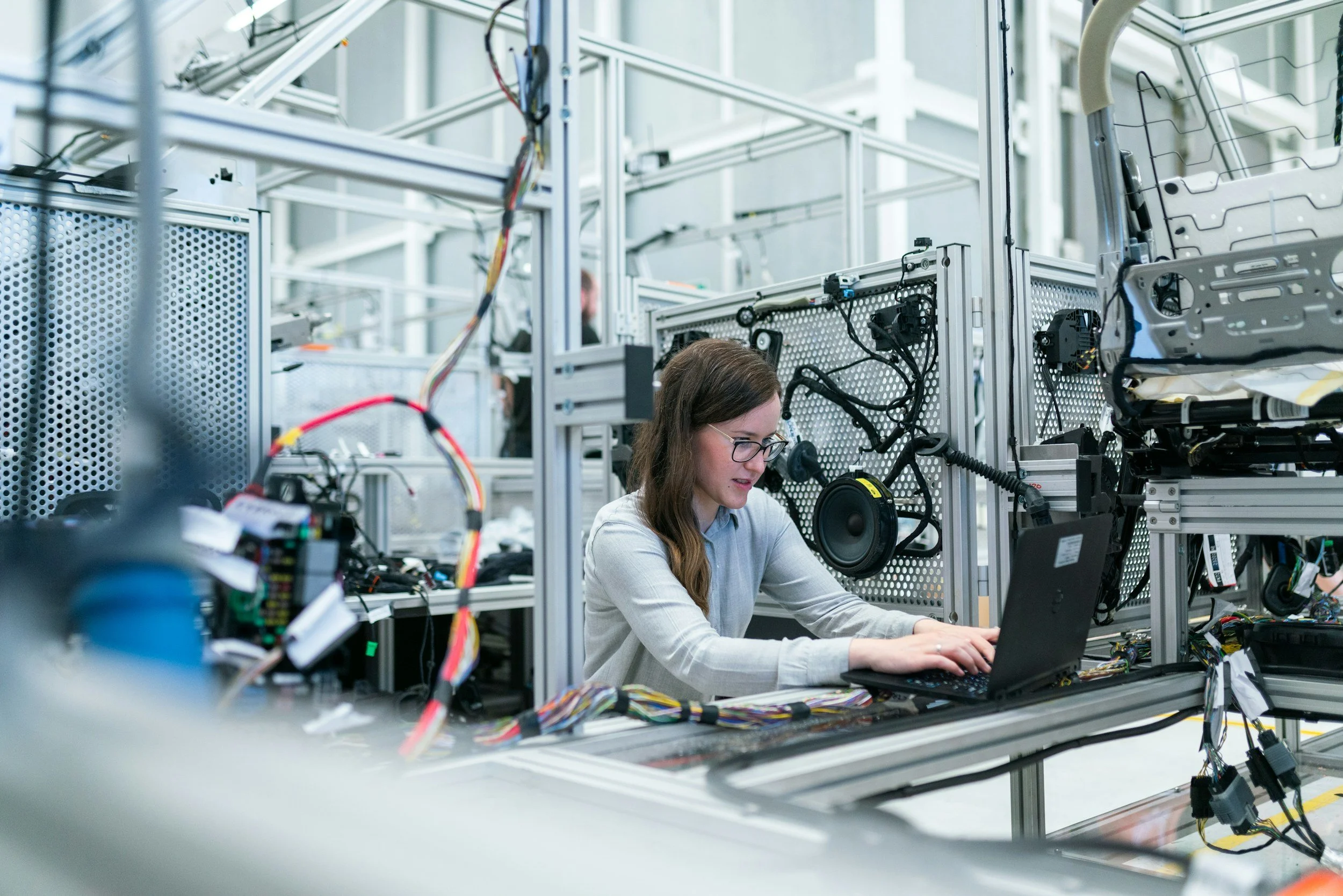
What Bellevue Businesses Are Doing With Retired Technology in 2026
Bellevue businesses are replacing technology faster than ever. Learn how organizations are using electronics recycling and secure data destruction to stay organized, secure, and sustainable.

Electronics Recycling Services in Bellevue, Washington
Every business has a storage room filled with retired technology. Discover why more organizations are implementing ongoing electronics recycling and data destruction programs to reduce risk, improve compliance, and support sustainability goals.
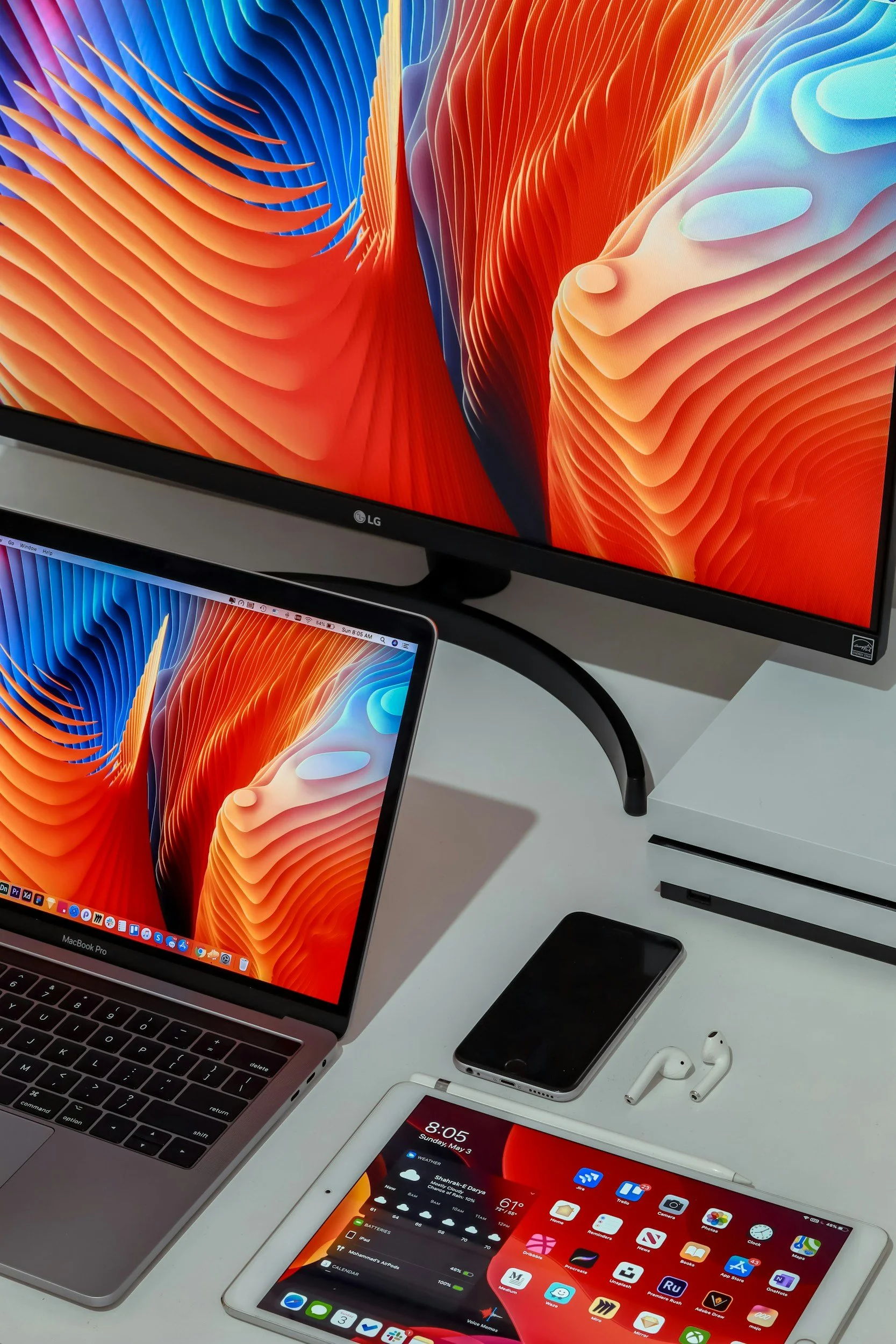
Why More Businesses Are Scheduling Quarterly Electronics Recycling Pickups
Learn why more businesses are scheduling quarterly electronics recycling pickups to improve organization, security, and compliance in 2026.
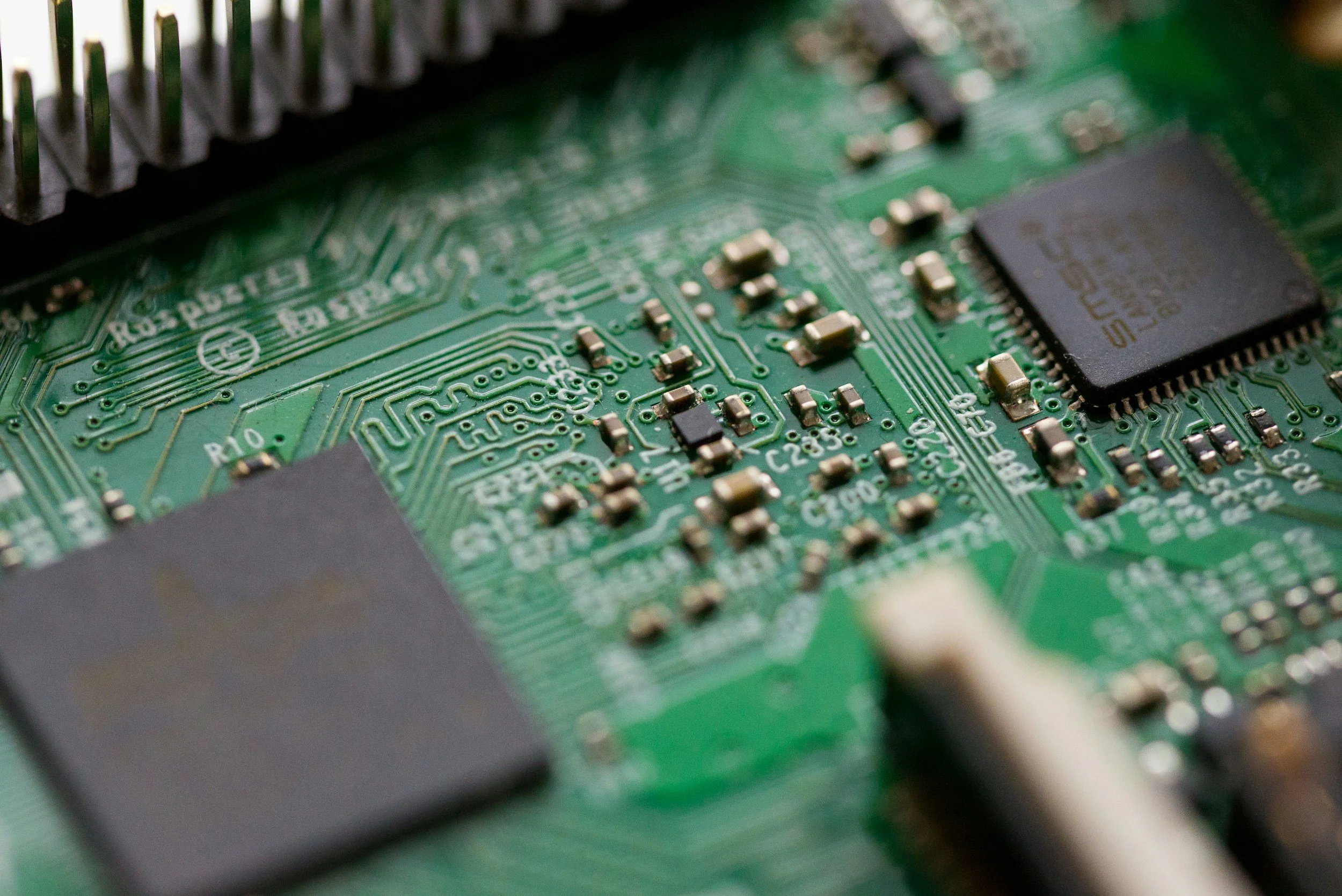
What Happens If Your Business Fails an E Waste Audit
Learn what can happen if your business fails an e waste audit and how proper electronics recycling and data destruction reduce compliance risk.
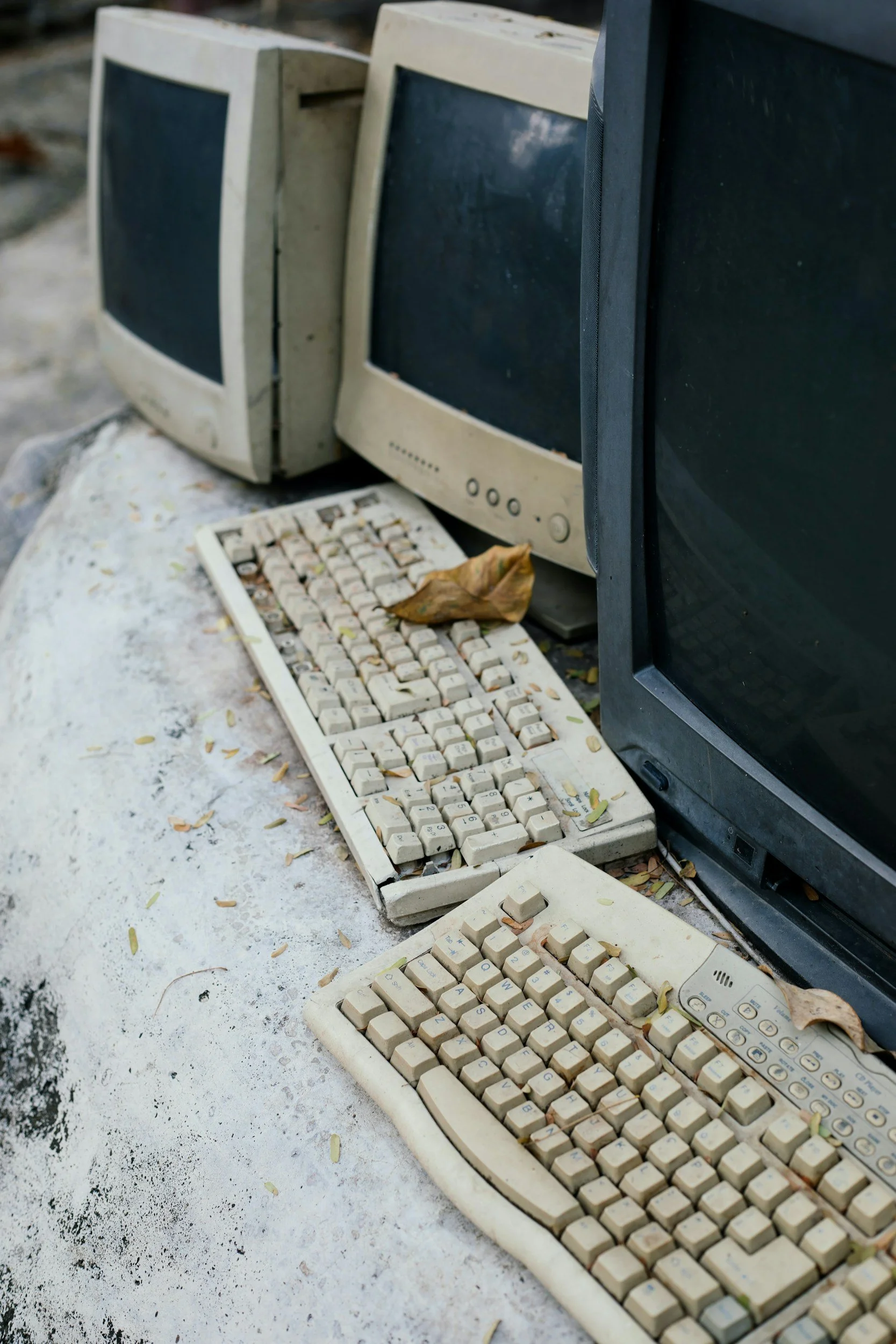
What Happens If Your Business Fails an E Waste Audit
Learn what can happen if your business fails an e waste audit and how proper electronics recycling and data destruction reduce compliance risk.
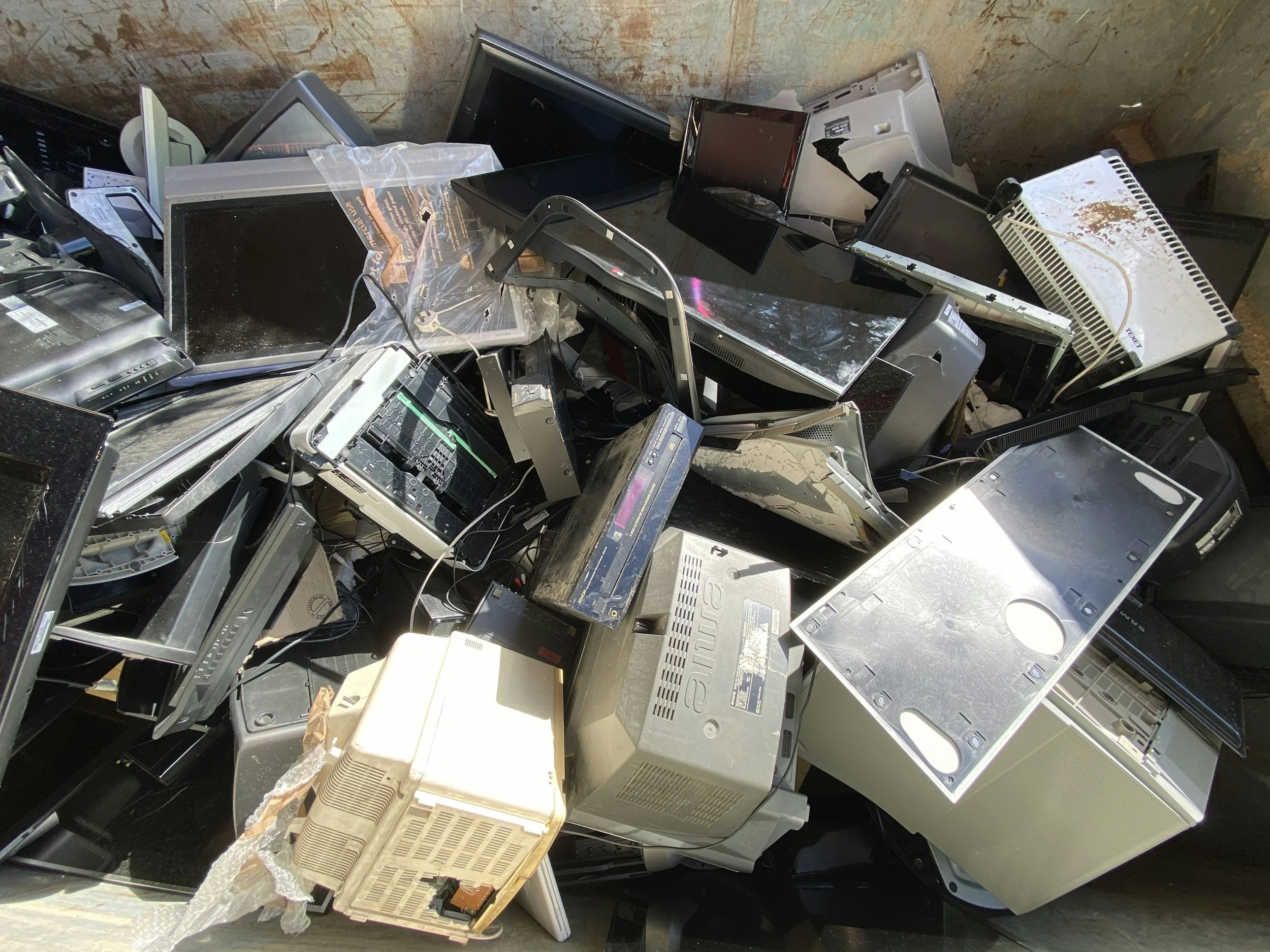
Why More Businesses Are Creating Long Term E Waste Management Plans in 2026
Learn why businesses are building long term e waste management plans in 2026 to improve compliance, security, and sustainability.
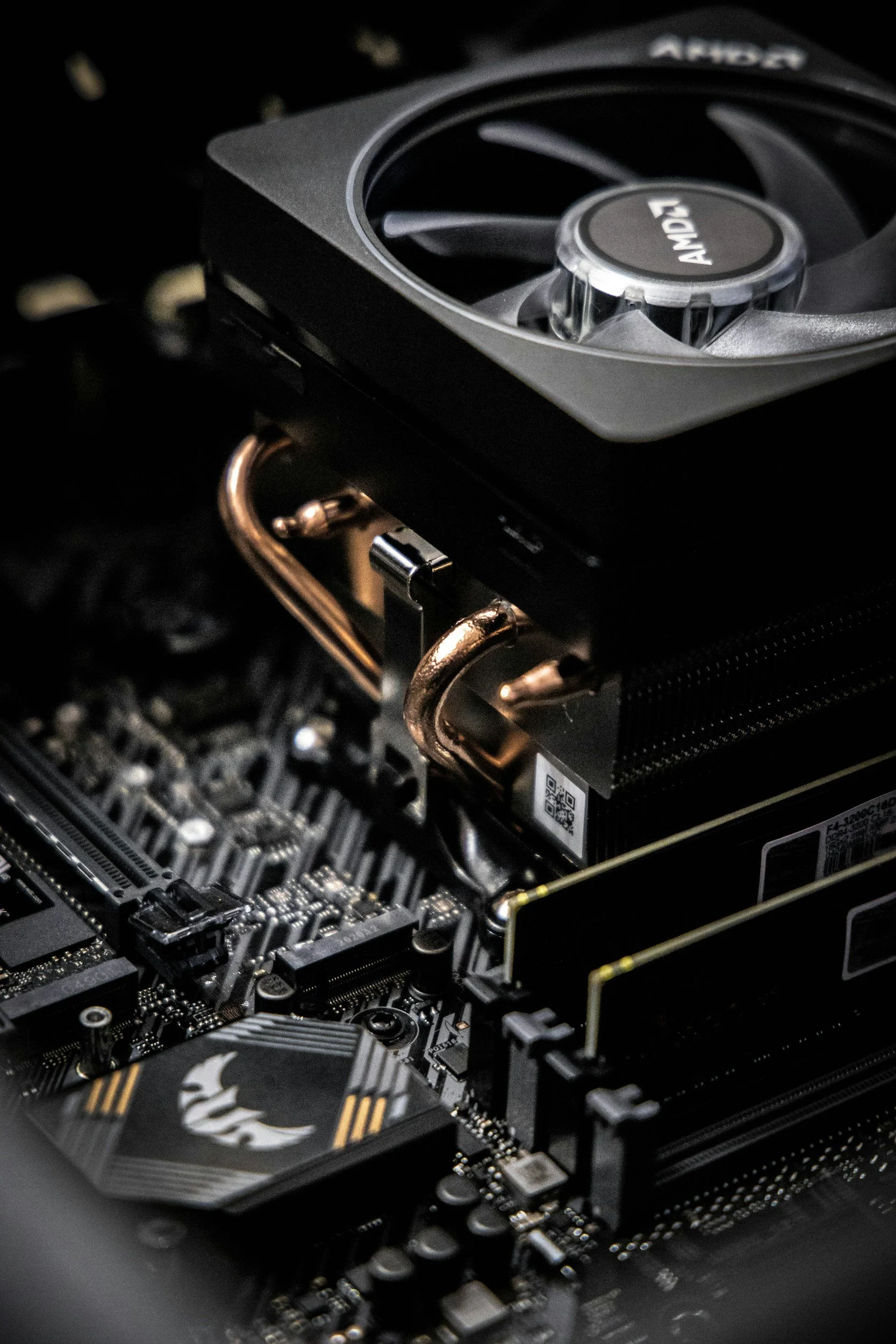
New Recycling Laws and E Waste Trends in 2026: What Businesses Need to Do Now
New recycling laws in 2026 are changing how businesses handle e waste. Learn what your company needs to do to stay compliant and reduce risk.