Why Critical Minerals Are Making Electronics Recycling More Important Than Ever
The conversation around electronics recycling has changed dramatically over the past year. What used to be framed almost entirely as a waste-reduction issue has become a resource strategy issue. Businesses that once viewed old laptops and servers as clutter to dispose of are now realizing those same devices are quietly holding onto some of the most sought-after materials on the planet.
While many organizations still think of recycling as simply "getting rid of old stuff," today's retired electronics contain something far more valuable: critical minerals.
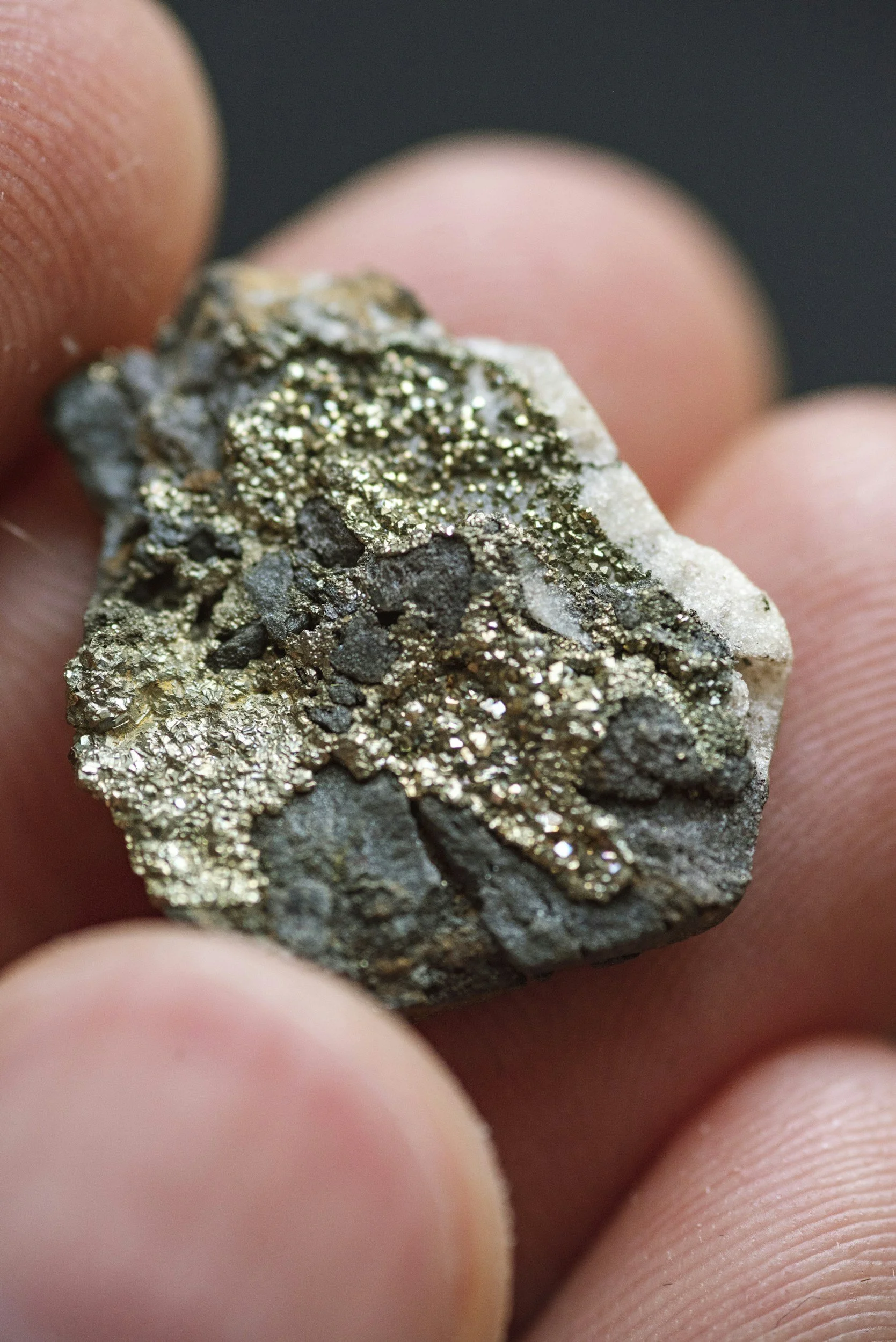
Governments, manufacturers, and technology companies are investing heavily in recovering materials like copper, cobalt, lithium, nickel, gold, silver, and rare earth elements because these materials are essential to producing the technology the modern economy depends on — electric vehicles, renewable energy systems, AI infrastructure, smartphones, and data centers among them. As global supply chains face pressure and mining new material becomes more expensive and environmentally costly, recovered minerals from retired electronics are becoming an increasingly important part of the supply picture. Industry experts expect the formal U.S. e-waste market to continue expanding rapidly as demand for these materials grows, and businesses that get ahead of this shift stand to benefit both financially and reputationally.
Every Office Is Sitting on Valuable Resources
Most organizations, without realizing it, are sitting on a stockpile of recoverable material. Somewhere in a storage closet, server room, or unused office is a collection of:
Laptops
Desktop computers
Servers
Networking equipment
Monitors
Mobile devices
UPS batteries
Storage systems
These assets often sit unused for months or years after being decommissioned, quietly depreciating while the materials inside them go untapped. Every additional month equipment spends idle in storage is a missed opportunity — both to recover value and to reduce the security and compliance exposure that comes with holding onto retired hardware indefinitely.
For many companies, an inventory audit of retired IT equipment reveals far more recoverable material than expected. What looks like a pile of obsolete hardware is, in reality, a concentrated source of copper wiring, gold-plated connectors, lithium battery cells, and rare earth magnets — materials that would otherwise need to be freshly mined.
Security Still Comes First
Recovering valuable materials is only one part of responsible recycling — and it should never come at the expense of data security.
Before any device is dismantled or processed, businesses need certified data destruction that protects customer information, employee records, financial documents, and intellectual property. A single retired hard drive or misplaced mobile device can expose an organization to significant legal, financial, and reputational risk if it isn't handled properly.
That's why a secure chain of custody matters at every step of the process — from the moment equipment leaves your facility to the moment materials are recovered and certified. Documentation, tracking, and certificates of destruction aren't just best practice; for many industries, they're a compliance requirement. Working with a recycler who treats data security as a core part of the process, not an afterthought, protects your organization from becoming a cautionary tale.
Sustainability Is Becoming a Business Requirement
Investors, customers, and employees increasingly expect companies to demonstrate measurable sustainability initiatives, not just make vague commitments. Environmental, social, and governance (ESG) reporting has moved from a nice-to-have to an expectation in many industries, and electronics recycling is one of the more tangible, measurable ways a business can show progress.
Responsible electronics recycling helps organizations:
Reduce landfill waste
Recover valuable raw materials
Support the circular economy
Meet ESG goals and reporting requirements
Protect confidential information through certified data destruction
Strengthen vendor and procurement relationships with sustainability-conscious partners
For companies actively pursuing ESG targets, partnering with a certified recycler also provides the kind of documentation and reporting that makes sustainability claims credible — not just a line item in an annual report, but a verifiable process with a paper trail.
Why Partner with Total Reclaim
At Total Reclaim, we help organizations responsibly recycle electronics while ensuring secure data destruction and full environmental compliance. Our process is built to give businesses confidence at every stage — from the initial pickup of retired equipment to certified destruction and material recovery.
Whether you're replacing a handful of computers, refreshing an entire data center, or clearing out years of accumulated IT assets, responsible recycling protects both your business and the environment. As demand for critical minerals continues to climb, the equipment sitting in your storage room today may be more valuable than you think.
Ready to see what's hiding in your old IT equipment? Contact Total Reclaim to learn how our secure, compliant recycling process can help your business recover value while protecting sensitive data.