How to Schedule an Electronics Recycling Pickup for Your Business
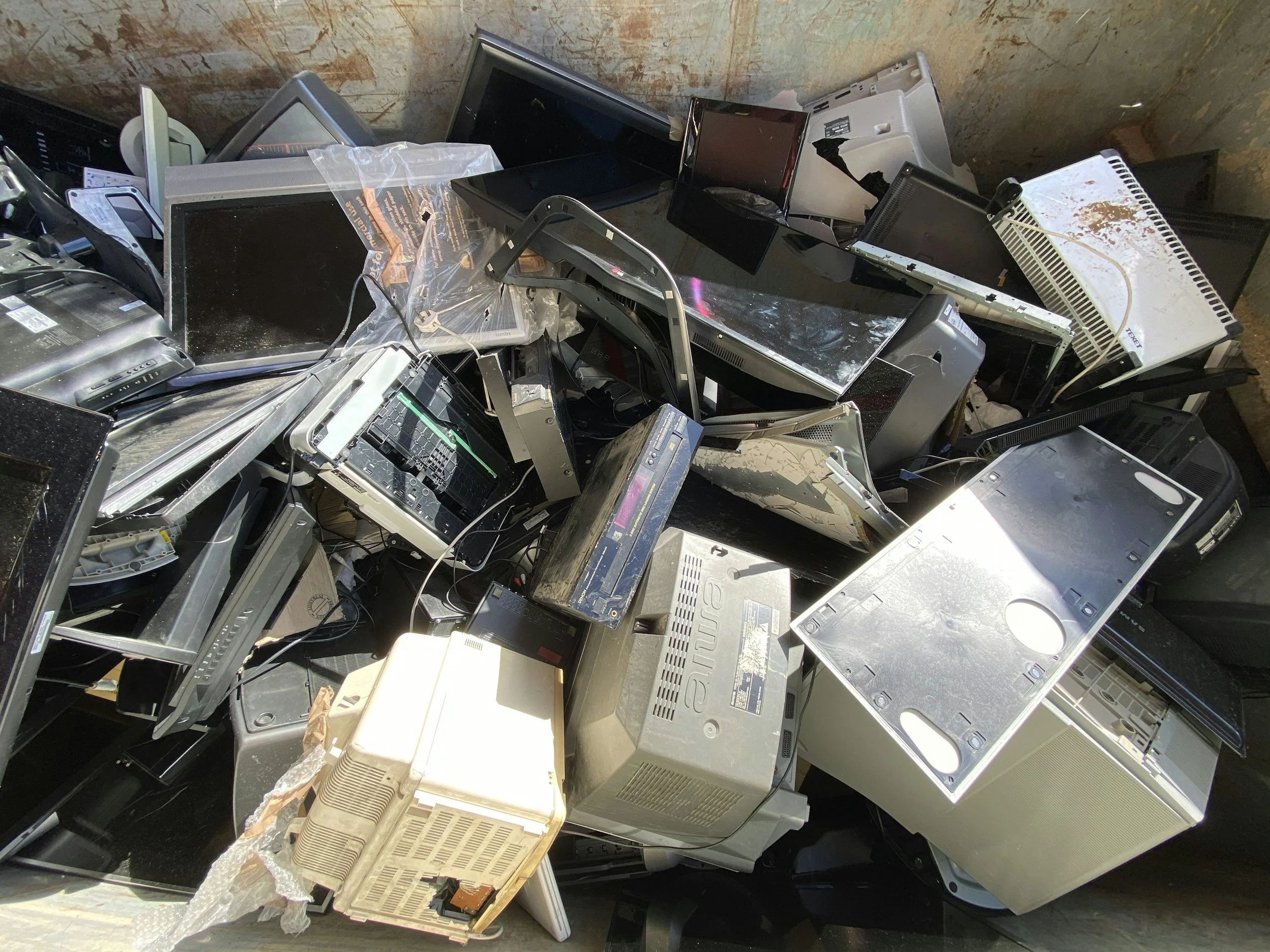
If your business has a growing pile of old computers, monitors, or networking equipment taking up space in a storage room, scheduling a pickup is probably simpler than you'd expect. Many businesses put off recycling old electronics because the process feels unclear or time-consuming, but a certified recycler can typically get equipment out of your building and properly processed with far less effort than most people anticipate.
Here's exactly what the process looks like, what to prepare beforehand, and how to get a fast, accurate quote so you can finally clear out that equipment.
Step 1: Take Inventory of What Needs to Go
Before requesting a quote, it helps to have a general sense of what you're recycling. You don't need an exact count, but knowing roughly what types and how much equipment you have helps your recycler provide an accurate estimate and arrive prepared with the right vehicle and crew size. Common items businesses include in a pickup are:
Desktop computers and laptops
Monitors and displays
Servers and networking equipment
Printers, copiers, and scanners
Mobile phones and tablets
Cabling, power adapters, and peripherals
Fluorescent bulbs and batteries, if applicable
If you're not entirely sure whether something qualifies for standard recycling, it's fine to mention it when requesting your quote. A good provider can advise on how to handle items that need special processing.
Step 2: Request a Quote
Reaching out for a quote is typically the fastest way to get the process moving. To get an accurate, fast estimate, be ready to share:
A general description of the equipment and approximate quantity
Your business location
Whether any devices contain sensitive company data
Your preferred pickup timeframe
Whether this is a one-time pickup or something you'd like to schedule on a recurring basis
Providing these details upfront usually results in a much faster turnaround than requesting a vague, general estimate.
Step 3: Confirm Data Destruction Needs
If any of the equipment being recycled has stored sensitive company information, financial records, client data, or internal systems, this is the point to confirm exactly how that data will be destroyed. Ask your recycler what method they use, whether that's degaussing, physical shredding, or certified software wiping, and confirm that you'll receive a certificate of destruction once the process is complete. This documentation is worth keeping on file, particularly for businesses in regulated industries or those that may need to demonstrate compliance later.
Step 4: Schedule Your Pickup
Once your quote is confirmed, scheduling the actual pickup is typically straightforward. Most business pickups can be scheduled within a reasonable window, and your recycler should provide a clear pickup date and time along with any preparation instructions, such as where equipment should be staged for collection.
For larger pickups, it's worth confirming whether equipment needs to be gathered in a single location beforehand or whether the pickup crew will collect items from multiple areas of your facility.
Step 5: What Happens on Pickup Day
On the scheduled day, a documented chain of custody process begins immediately. Equipment is logged and tracked from the moment it leaves your facility, giving you an auditable record of what was collected. From there, devices move through secure data destruction, sorting for potential refurbishment or reuse, and responsible material recovery for anything that has reached true end of life.
You shouldn't need to manage this process yourself once pickup is complete. A reputable recycler handles each of these steps and provides documentation confirming the work was done, including your certificate of destruction if applicable.
Setting Up Recurring Service
For businesses that generate a steady stream of retired equipment, whether due to regular refresh cycles, employee turnover, or ongoing growth, a one-time pickup often isn't the most efficient long-term solution. Many businesses choose to set up recurring pickups, scheduled quarterly or aligned with their equipment refresh cycle, so retired devices never have the chance to accumulate into a larger cleanup project.
If this sounds like a better fit for your business, mention it when requesting your initial quote. Most recyclers can set up a recurring schedule that fits your typical volume and timing needs.
What to Expect for Larger or More Complex Pickups
Office moves, IT refresh projects, and full facility cleanouts often involve larger volumes and a wider mix of equipment than a routine pickup. For these situations, it can help to schedule a walkthrough with your recycler ahead of time so they can accurately scope the project, identify any items requiring special handling, and provide a more precise quote before pickup day.
Get Started Today
Clearing out old electronics doesn't need to sit on your to-do list indefinitely. Once you know roughly what needs to go, requesting a quote and scheduling a pickup is a quick process that gets outdated equipment off your hands securely and responsibly.
If your business has electronics ready to be recycled, reach out to our team today. Give us a general idea of what you're working with and we'll get you a fast, accurate quote and a pickup scheduled on a timeline that works for you.