Washington's New Battery Stewardship Program: What Businesses Need to Know Before It Takes Effect
If your business generates used batteries, office electronics, forklifts, backup power systems, tools, or fleet vehicles, a change is coming to how Washington regulates their disposal. The state's new Battery Stewardship Program shifts more responsibility onto producers and distributors, but it also changes what's expected of the businesses that use and discard batteries every day. Here's what you need to know before it takes effect.
What the Battery Stewardship Program Does
Washington's program is part of a broader wave of Extended Producer Responsibility (EPR) legislation moving through Pacific Northwest states. Instead of leaving battery collection and recycling costs entirely to municipalities and waste haulers, the law requires battery producers to fund and manage a statewide collection system.
For businesses, the practical effect is twofold:
More accessible drop-off and pickup options should become available as the funded collection network expands.
Clearer compliance expectations: businesses will be expected to route batteries through approved collection channels rather than standard trash or undocumented "we'll take care of it" arrangements.
Why This Matters Even If You Already Recycle Batteries
Many businesses assume that because they already keep batteries out of the dumpster, they're covered. But informal recycling, a bin in the break room, a well-meaning employee dropping batteries at a retail collection point, doesn't generate the documentation regulators and insurers increasingly expect.
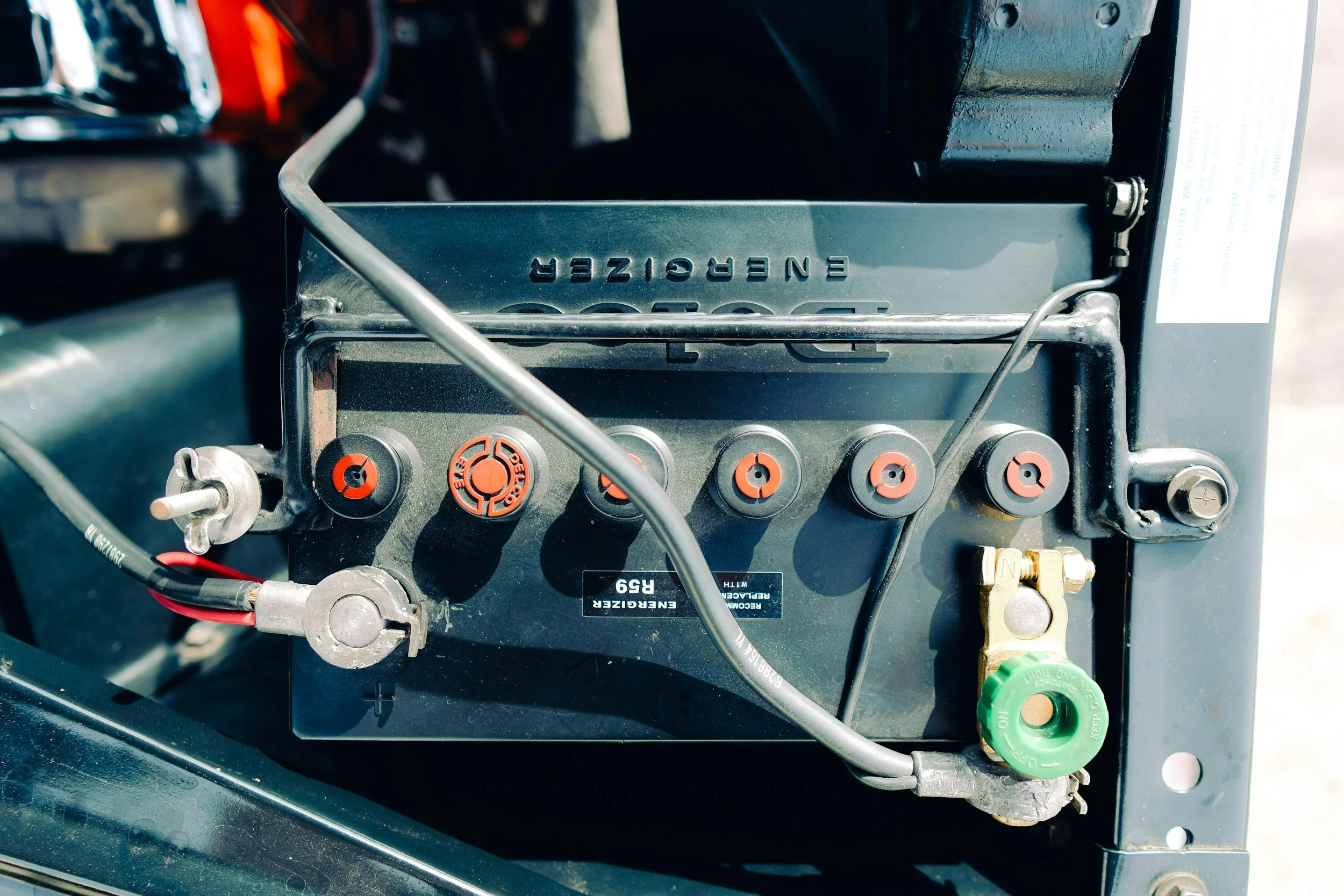
Batteries are classified as hazardous waste in Washington when they contain lithium, nickel-cadmium, or lead-acid chemistries, and improper handling carries real risk: damaged lithium cells are a documented cause of warehouse and transport fires. As collection requirements formalize under the new program, businesses without a documented chain of custody may find themselves out of step with both state expectations and their own liability coverage.
What Businesses Should Do Now
Audit your battery streams. Identify every source in your operation: IT equipment, security systems, powered equipment, EVs and fleet vehicles, emergency lighting backups.
Separate by chemistry. Lithium-ion, alkaline, and lead-acid batteries require different handling and can't be commingled safely.
Work with a certified recycler who documents the process. Certificates of recycling or destruction protect your business if compliance is ever questioned, and they're the kind of paper trail auditors and insurers ask for first.
Don't wait for enforcement to start planning. Programs like this typically phase in collection infrastructure before enforcement ramps up, getting your process in order early means you're not scrambling later.
How Total Reclaim Helps
Total Reclaim has handled battery recycling across Washington, Oregon, and Alaska for years, well ahead of programs like this one. We separate by chemistry, follow documented hazardous waste handling procedures, and provide the recycling documentation businesses need for compliance and insurance purposes, whether you're bringing in a box of office batteries or decommissioning a fleet.
If you're not sure whether your current battery disposal process would hold up under the new rules, we're happy to walk through it with you. Contact Us