
On-Site vs. Drop-Off Electronics Recycling: Which Is Right for Your Busine
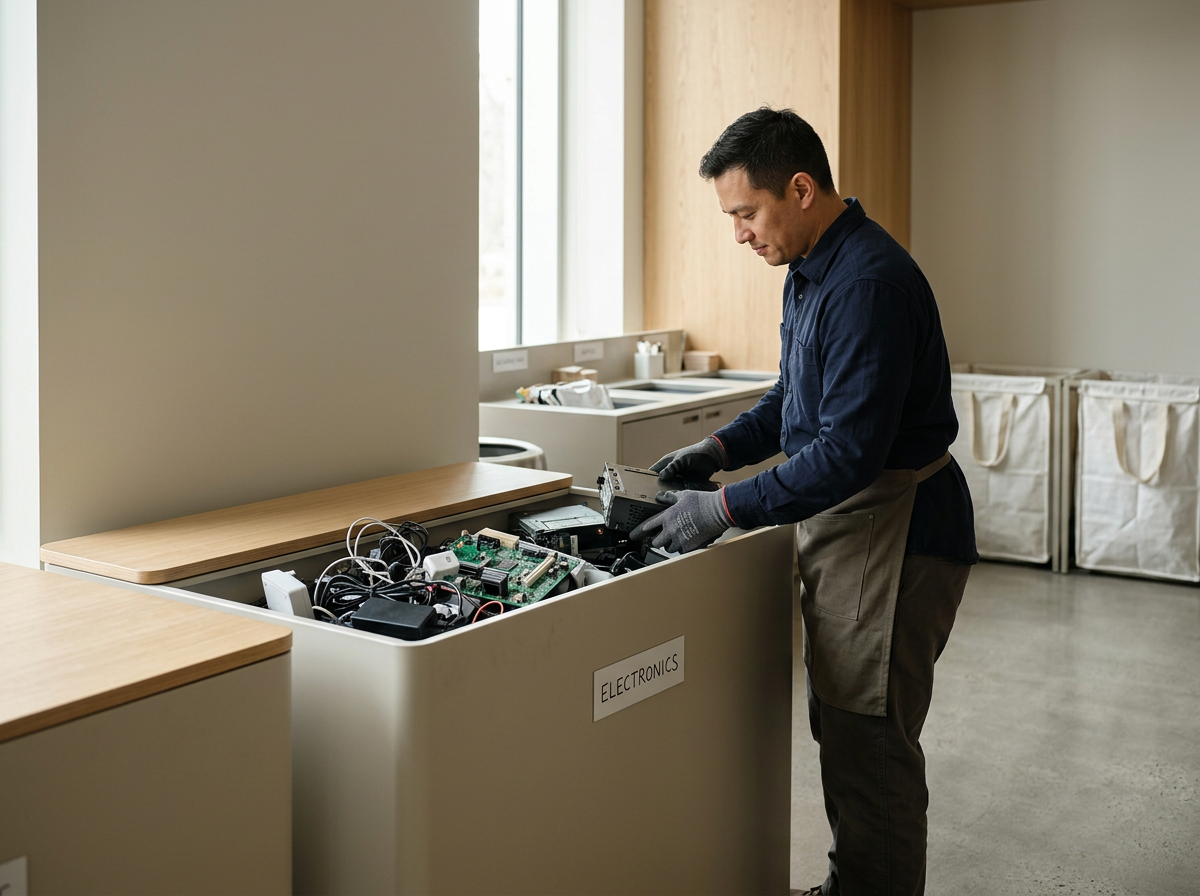
When it's time to retire old computers, monitors, or networking equipment, businesses generally have two paths available: schedule an on-site pickup, or drop the equipment off directly with a recycler. Both options lead to the same end result, equipment gets processed responsibly, but the right choice depends heavily on your volume, timeline, and how much hands-on involvement makes sense for your team.
Here's a breakdown of both options to help you decide which fits your business best.
What On-Site Pickup Looks Like
With on-site pickup, a recycling provider comes directly to your location, collects the equipment, and handles transport back to their facility. This option is typically built around documented chain of custody procedures, meaning every device is logged and tracked from the moment it leaves your building.
On-site pickup tends to make the most sense for:
Larger volumes of equipment, where transporting devices yourself would require significant time, vehicle space, or multiple trips
Heavy or bulky items, such as servers, large monitors, or networking racks that are impractical to move without proper equipment
Businesses prioritizing convenience, since staff time isn't spent packing up equipment and making a separate trip
Situations requiring strict data security, since equipment never leaves your control until it's directly handed off to a documented, tracked process
Recurring service needs, where a business wants pickups scheduled on an ongoing basis, such as quarterly or aligned with a regular equipment refresh cycle
What Drop-Off Recycling Looks Like
Drop-off recycling involves bringing your equipment directly to a designated recycling location. This option often works well for:
Smaller quantities of equipment, such as a handful of old laptops or a single retired workstation
Businesses located near a drop-off facility, where the trip doesn't add significant time or cost
Immediate disposal needs, when equipment needs to be processed quickly rather than waiting for a scheduled pickup window
Flexible timing, since drop-off doesn't require coordinating a specific pickup appointment
Comparing the Two Options
Convenience. On-site pickup requires no transportation on your end, while drop-off requires staff time and vehicle space to bring equipment to the facility.
Cost considerations. Pricing structures vary by provider, but on-site pickup may involve a service fee tied to volume and distance, while drop-off can sometimes be more cost-effective for very small quantities.
Data security. Both options can maintain strong data security standards, but on-site pickup with documented chain of custody offers an added layer of tracking from the moment equipment leaves your building, which can matter for businesses handling especially sensitive data.
Timing flexibility. Drop-off generally offers more flexibility for immediate, one-off disposal needs, while on-site pickup is better suited for planned, larger-scale recycling projects.
Documentation. Both options should provide proper documentation, including certificates of destruction for any data-bearing devices, but it's worth confirming this with your provider regardless of which option you choose.
Questions to Ask Before Choosing
Regardless of which option seems like the better fit, it's worth confirming a few details with your recycling provider:
Is documented chain of custody provided for on-site pickups?
What are the drop-off location's hours and any restrictions on equipment types accepted?
Will data destruction and certificates of destruction be provided either way?
Are there minimum volume requirements for scheduling an on-site pickup?
Can drop-off and pickup services be combined for businesses with fluctuating equipment volumes?
When a Combination Approach Makes Sense
Some businesses find that a mix of both options works best over time. A company might use drop-off for small, occasional items retired between larger refresh cycles, while scheduling on-site pickup for bigger projects like an office move, a full IT refresh, or a facility cleanout that generates a much larger volume of equipment all at once.
Frequently Asked Questions
Is on-site pickup more expensive than drop-off? It depends on your volume and location. For larger quantities, on-site pickup is often more cost-effective once you factor in the staff time and vehicle space required to transport equipment yourself. For very small quantities, drop-off can sometimes be the simpler and more economical choice.
Do I still get a certificate of destruction if I drop off equipment myself? You should. Regardless of whether equipment is picked up on-site or dropped off, a certified recycler should provide documentation confirming that data-bearing devices were properly destroyed.
What if I have a mix of small and large equipment? Many businesses use a combination approach, dropping off smaller items as they're retired throughout the year while scheduling on-site pickup for larger projects like an office move or full IT refresh.
Is data less secure with drop-off recycling? Not necessarily, as long as the recycler follows proper data destruction procedures either way. However, on-site pickup with documented chain of custody offers continuous tracking from the moment equipment leaves your facility, which some businesses prefer for added peace of mind.
How do I know which option is right for my business? Consider your equipment volume, how far you are from a drop-off location, and how much staff time you want to dedicate to the process. If you're unsure, a quick conversation with your recycling provider can help you land on the right approach.
Get Started With the Right Option for You
Whether on-site pickup or drop-off makes more sense for your business, the most important thing is making sure your equipment is handled through a certified, documented process. Reach out to our team to talk through your specific volume and timeline, and we'll help you choose the option that fits your business best.