New Recycling Laws and E Waste Trends in 2026: What Businesses Need to Do Now
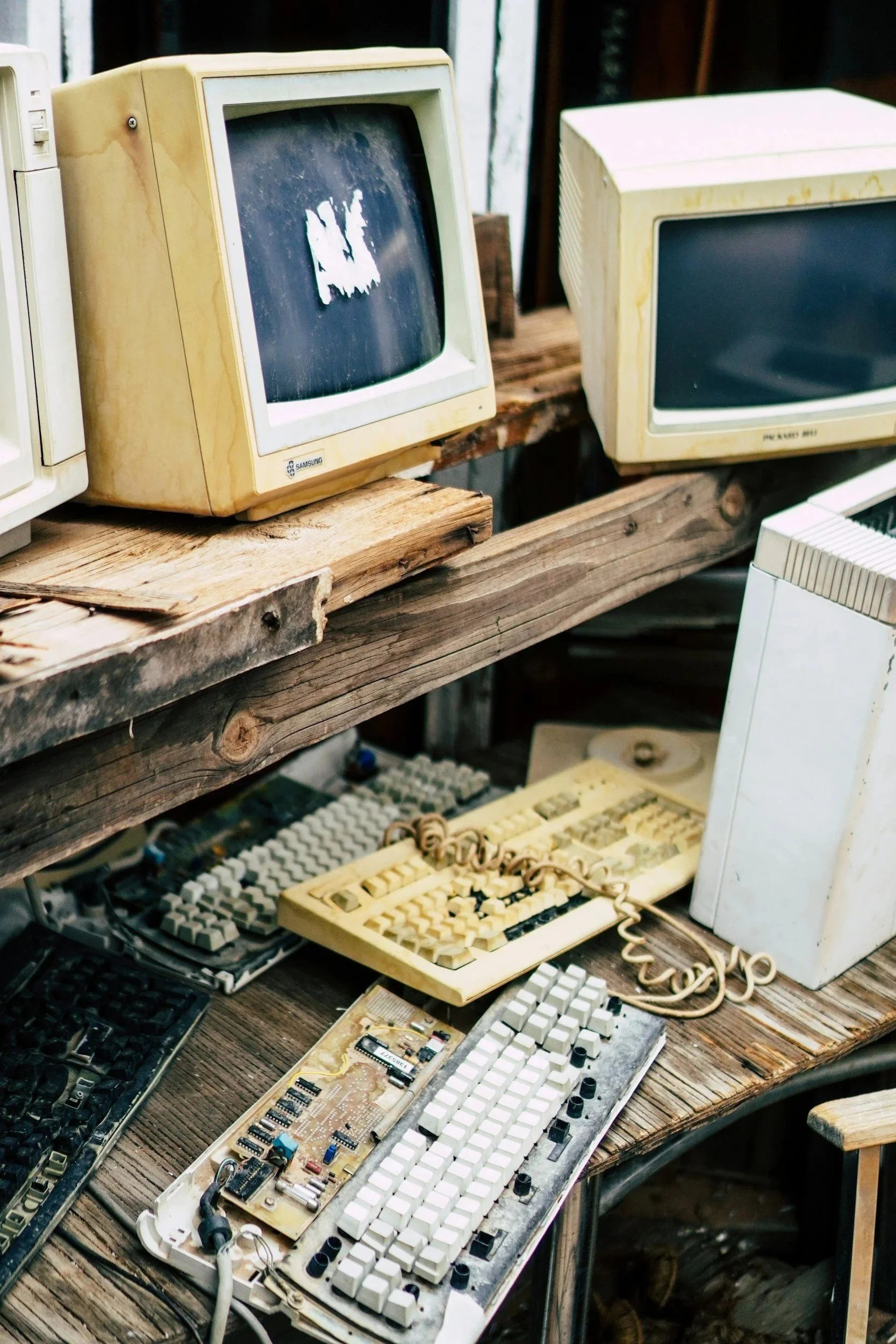
An IT manager in Washington recently completed a company wide technology upgrade.
Dozens of laptops, servers, and devices were removed and placed into storage, waiting for a decision on what to do next.
In the past, this might not have been urgent.
In 2026, it is.
New recycling laws, growing e waste volumes, and increased enforcement are changing how businesses must handle retired equipment.
E Waste Is Growing Faster Than Ever
Electronic waste continues to rise at a rapid pace.
Globally, it is one of the fastest growing waste streams, with only a portion being properly recycled through certified channels.
For businesses, this means more equipment to manage and more risk if it is handled incorrectly.
Regulations Are Expanding in 2026
States across the country, including Washington, are implementing new recycling laws and extended producer responsibility programs.
These laws are designed to improve recycling systems and increase accountability for how materials are handled at the end of their lifecycle.
At the same time, compliance expectations are increasing.
Improper disposal is no longer just an environmental issue. It is a business risk.
Why Businesses Can No Longer Wait
Holding onto old equipment creates hidden problems.
These include:
• data security risks
• compliance exposure
• environmental liability
• operational inefficiencies
Electronics that sit unused still contain sensitive data and valuable materials.
What Businesses Should Do Right Now
A proactive approach helps reduce risk and ensure compliance.
Step 1: Identify All Retired Equipment
Create a full inventory of outdated electronics.
Step 2: Prioritize Data Destruction
Ensure all data is securely destroyed before disposal.
Step 3: Use Certified Recycling Providers
Work with providers that offer proper handling and documentation.
Step 4: Document the Process
Maintain records for audits and compliance verification.
Step 5: Build a Ongoing Recycling Plan
Make electronics recycling part of standard operations.
How Lighting Recycling Fits Into Compliance
Many businesses upgrading IT systems are also upgrading lighting.
LED fixtures and electronic lighting components require proper recycling and should be included in overall planning.
EcoLights provides lighting recycling services that can be coordinated with electronics recycling for a complete solution.
https://ecolights.com/
The Direction of Recycling in 2026
Recycling is becoming more regulated, more structured, and more important to business operations.
Companies that act now will be better positioned to:
• stay compliant
• protect sensitive information
• reduce environmental impact
• align with evolving regulations
Total Reclaim supports businesses with secure electronics recycling and data destruction services designed for today’s regulatory environment.