How Businesses Should Handle Old Batteries and Power Supplies in 2026
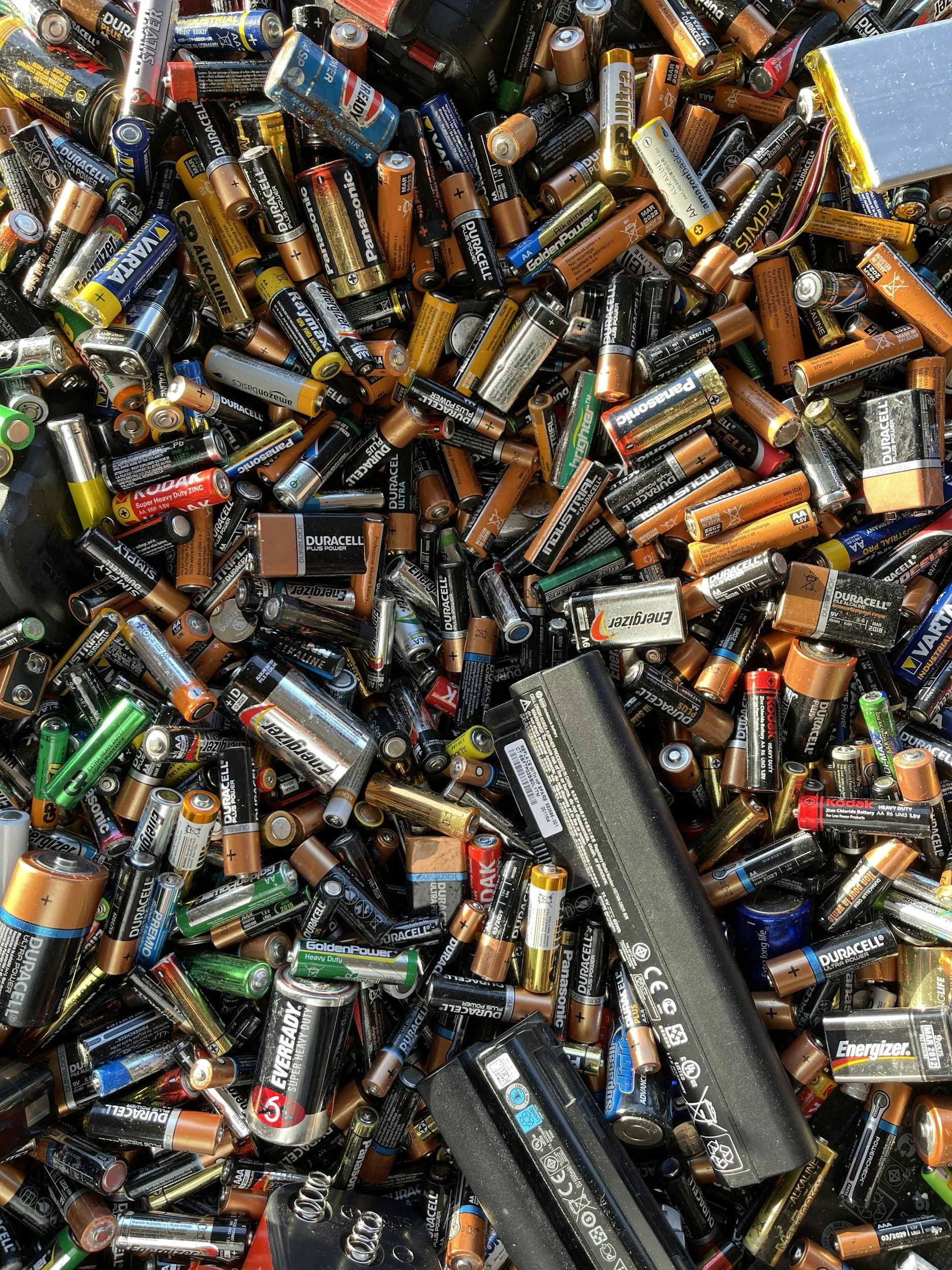
Assorted electronics, computer, and phone batteries for recycling
Why Battery Recycling Is a Growing Business Concern
As businesses rely more heavily on electronics, battery waste has become one of the fastest growing and most misunderstood waste streams. From laptops and mobile devices to backup power systems and data centers, batteries are everywhere and improper disposal creates serious safety and environmental risks.
In 2026, responsible battery recycling is no longer optional for businesses. It is a critical part of workplace safety, compliance, and sustainability planning.
What Types of Batteries Do Businesses Commonly Dispose Of
Businesses generate many types of battery waste, including lithium ion batteries from laptops and phones, sealed lead acid batteries from UPS systems and emergency lighting, alkaline batteries from office equipment, and rechargeable batteries from tools and medical or industrial devices.
Power supplies, battery packs, and backup systems are often overlooked but require proper handling and recycling as well.
Why Batteries Cannot Go in the Trash
Improper battery disposal is a leading cause of fires in waste facilities, trucks, and recycling centers. Lithium ion batteries in particular can ignite if damaged, crushed, or exposed to heat.
In addition to fire risk, batteries contain materials that can contaminate soil and water if sent to landfills. Many jurisdictions prohibit disposal of certain batteries in regular trash, especially for commercial generators.
Common Battery Disposal Mistakes Businesses Make
Businesses often store old batteries indefinitely, place them in dumpsters, mix battery types together, or send them out with general electronic waste without proper separation.
These practices increase safety risks and may create compliance issues during audits or inspections.
Benefits of Professional Battery Recycling
Working with a certified recycling partner helps businesses reduce fire hazards, protect employees and facilities, ensure proper handling of hazardous materials, meet sustainability and ESG goals, and document responsible disposal practices.
Professional recyclers also understand how to manage transportation, packaging, and processing requirements for different battery chemistries.
Battery Recycling Services from Total Reclaim
Total Reclaim provides safe and responsible battery recycling services for businesses, government agencies, and organizations. Services include secure collection, proper sorting by battery type, compliant transportation, and environmentally responsible recycling.
Battery recycling is often combined with electronics recycling and secure data destruction services to simplify disposal for organizations managing multiple waste streams.
Learn more about Total Reclaim’s battery and electronics recycling services here:
https://totalreclaim.com/electronics-recycling/
FAQ
Can businesses throw batteries in the trash?
No. Many batteries are prohibited from landfill disposal and create significant safety risks.
Are lithium ion batteries considered hazardous?
Yes. Lithium ion batteries pose fire and explosion risks and must be handled carefully.
Does Total Reclaim accept large quantities of batteries?
Yes. Services support everything from small offices to large facilities and data centers.